Wallet vs Pocket Envelopes: Choosing the Right Making Machine
November 4, 2026
Single-Line vs Double-Line Window Patching: Where TC-1200PRO Fits
November 10, 2026
The short version: “Peel-and-seal envelope machine” can mean two different investments. If you already have formed envelopes, you may need a finishing station that applies the sealing strip and folds the flap. If you are starting from flat blanks, you may need an envelope-making line with the peel-and-seal operation built in. Define the product and the point where your current process ends before comparing machines.
Start with the process boundary
First, identify what enters the proposed machine. Is it a flat, die-cut blank that still needs folding and gluing? Or is it an already formed envelope that only needs the closing-flap treatment? This answer determines whether you are buying a complete making line or adding a finishing operation to an existing line.
Send the supplier a photo of the input, a photo of the finished envelope and a drawing with dimensions. Mark the opening edge, flap, adhesive area and release liner. A model name alone does not reveal whether the machine fits your production flow.
Three HAOXING machine paths
HAOXING lists different equipment for these jobs. The table describes the published role of each model family; it is not a claim that every variant or option suits every envelope size.
| Your starting point | Relevant model family | Published function to confirm |
|---|---|---|
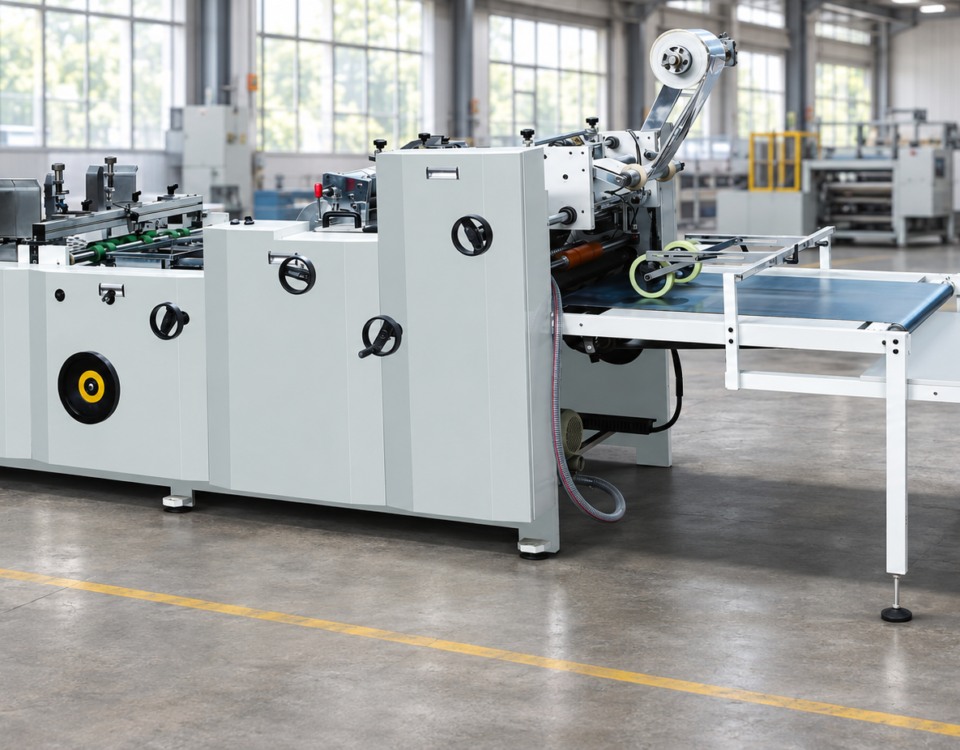
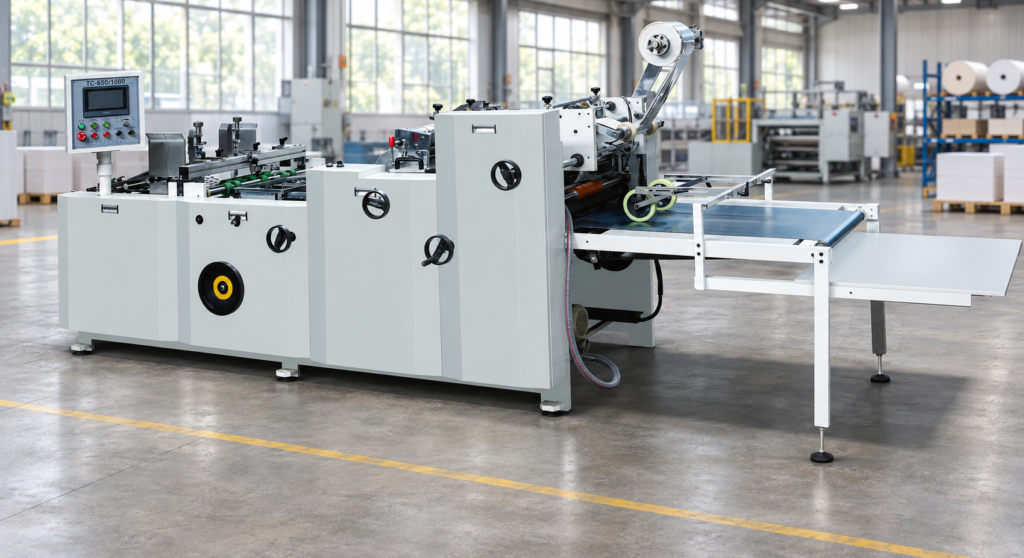
| Envelope already formed | TZ-230A/B/C | Applies a sealing strip to the closing flap and folds the flap. |
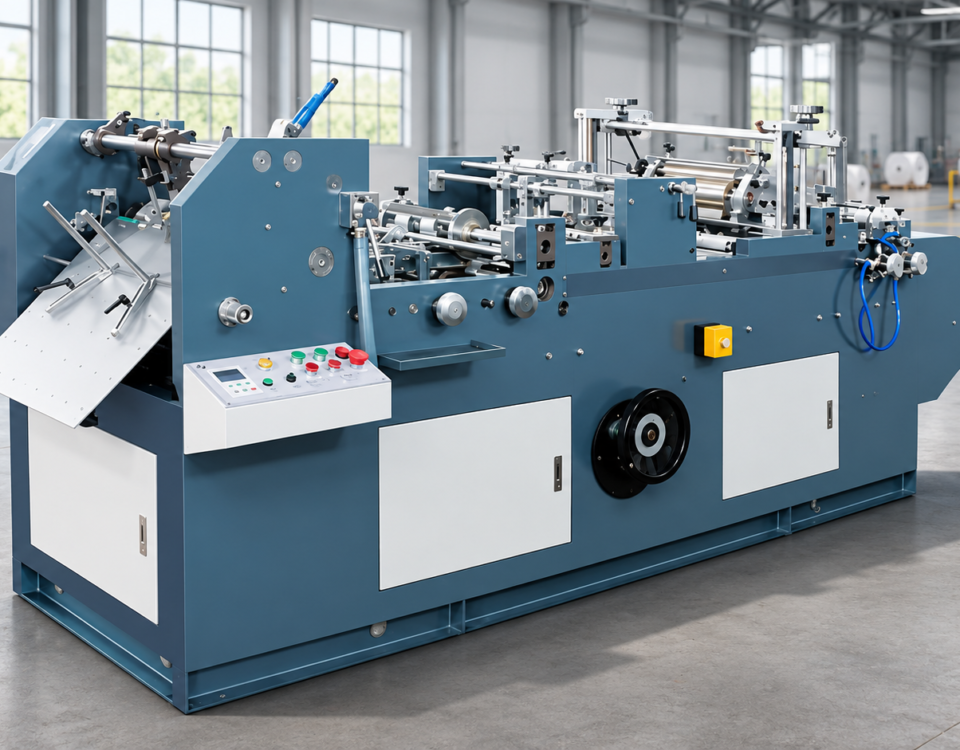
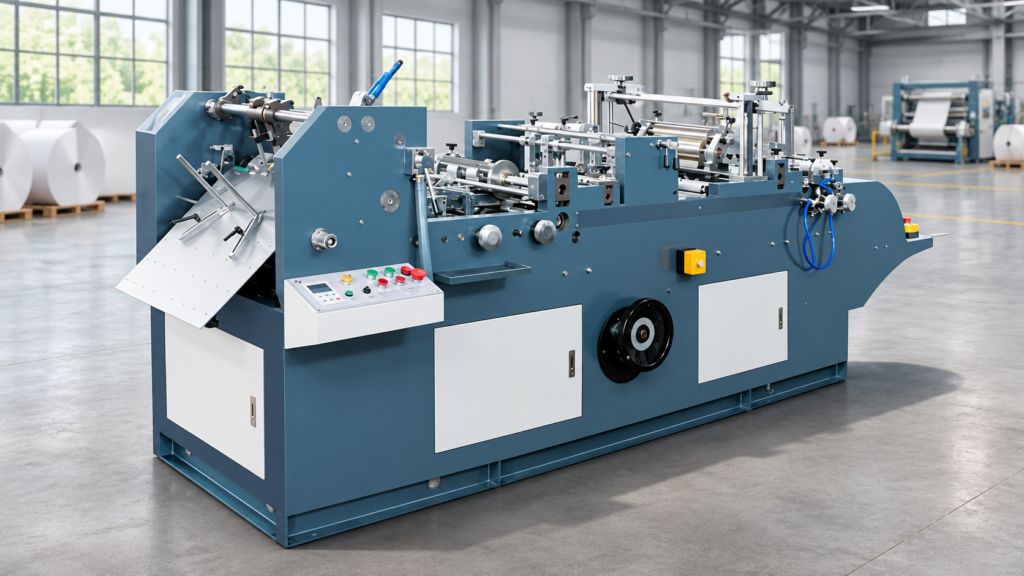
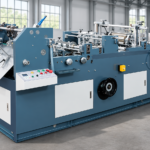
| Flat blank for wallet or pocket envelopes | ZF-480/A | Integrates feeding, folding, gluing, peel-and-seal tape application, counting and delivery. |
| Flat blank for open-end pocket envelopes | HP-250D/B/C-PS | Combines pocket-envelope forming with an inline peel-and-seal operation. |
The TZ-230 brochure describes pressure-sensitive adhesive as its standard method, direct use of double-sided tape and an available hot-melt option. Those are configuration choices to review with HAOXING, not interchangeable consumables to assume will work on one setup. Its A, B and C variants also differ in format limits. The ZF-480/A and HP-250-PS lines have their own model-specific paper and format ranges, so do not transfer a figure from one family to another.
Specify the closure material, not just “peel-and-seal”
A useful inquiry identifies the adhesive or tape construction, release liner, strip dimensions and desired position on the flap. Provide the material supplier’s specification if you have it. Also state the paper grade and basis weight, whether the surface is printed or coated, and how the finished envelope will be packed and stored.
These details matter because strip application, liner release, flap folding and adhesion all have to work on the same product. Ask which material and strip widths the proposed configuration has actually been tested with. If you have not selected the consumable, make that an open point in the trial plan rather than treating it as a confirmed specification.
What to check in a sample trial
Use your own blanks or preformed envelopes, paper and closure material. Agree the test conditions before comparing published capacities. Inspect samples from the beginning, middle and end of a run for:
- Single-sheet feeding and consistent orientation.
- Strip length, placement and adhesion on the closing flap.
- Release-liner handling and clean removal by the end user.
- Flap fold alignment and finished-envelope dimensions.
- Good pieces, rejects, stops and changeover time at the agreed test speed.
Keep approved samples and a record of settings. A brochure output range is a reference for model comparison; accepted pieces from your material are the evidence for your job.
What to send HAOXING for a useful recommendation
- Photos or physical samples of the input and finished envelope.
- Flat-blank and finished dimensions, including flap and strip position.
- Paper grade, weight, coating and print details.
- Adhesive or tape type, liner and strip dimensions.
- Your current process, required operations, typical order size and target good pieces per shift.
Then compare the envelope-making machine range and send HAOXING your sample details to confirm the model variant, tooling, consumables and trial method. If you are still deciding between wallet and pocket formats, read the wallet vs pocket envelope guide first.
Frequently asked questions
Does a peel-and-seal finishing station make the envelope from a flat sheet?
Not necessarily. The published TZ-230 role is applying a sealing strip and folding the flap. If you need feeding, forming and closure on one line, ask about the ZF-480/A or HP-250-PS family for your specific format.
Can I choose from the maximum published speed?
Use it only as an initial reference. Request a trial on your actual paper and closure material, and compare accepted output under the same conditions.