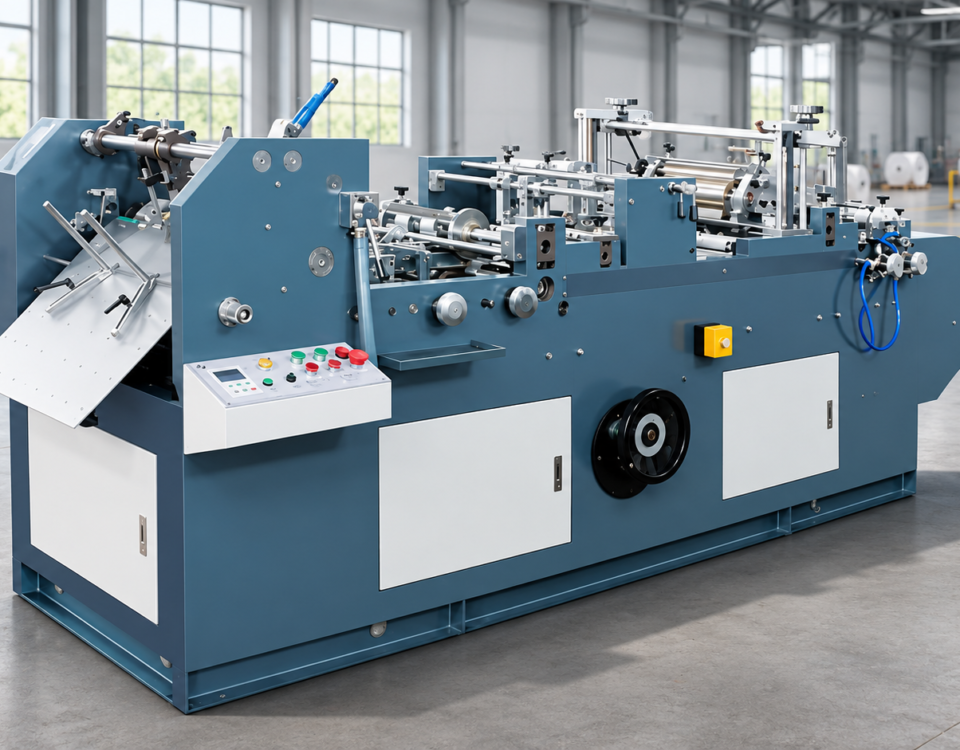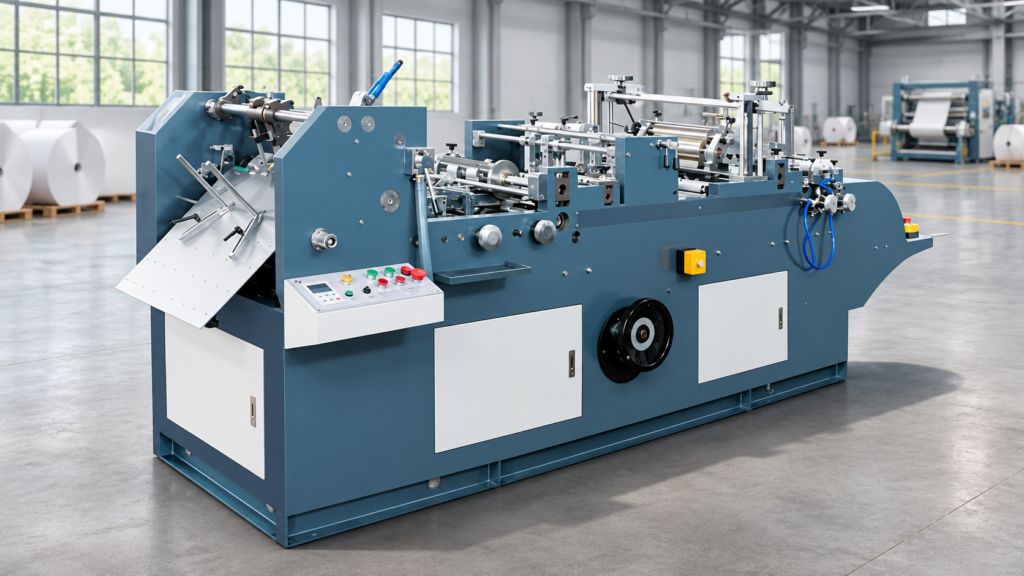
Envelope Making Machine Commissioning: Setup and Troubleshooting
October 27, 2026
Wallet vs Pocket Envelopes: Choosing the Right Making Machine
November 4, 2026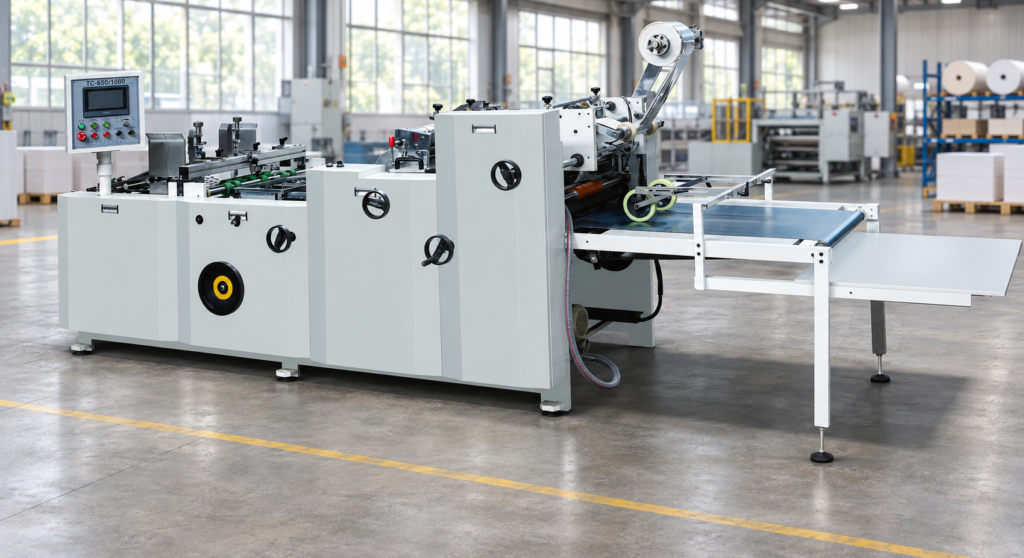
THE SHORT VERSION: A useful window patching machine recommendation starts with your actual blank, window drawing and film—not a speed number alone. Before requesting a quote, send the pack format, size range, paper and film details, window position, required operations and sample quantities. Ask the supplier to test the same materials you will run in production.
HAOXING builds window patching machines for envelopes, cartons, tissue boxes and other paper packaging. Those jobs can look similar in a product photo but differ in blank handling, window placement and finishing steps. This checklist helps you describe the job clearly so the proposed machine can be evaluated against your product.
1. Identify the finished product and the flat blank
Tell the supplier whether you are making an envelope, tissue box, display carton or another windowed package. Share photos of both the finished item and the flat blank. A drawing should show the overall blank dimensions, fold and glue areas, and the part of the blank that must face the film-applying station.
If you have several products, list the smallest and largest formats you expect to run. A single sample is not enough to confirm a machine for the whole range.
2. Mark the window position and film coverage
On the drawing, mark the opening, the intended film patch and the direction in which the blank travels. Include the distance from the window to nearby folds, creases and glue areas. If the product has a corner or unusually shaped window, send a separate drawing and a physical sample if possible.
Do not rely on a verbal description such as “standard window.” The sample and drawing give the machine builder a common reference for registration and film placement.
3. Specify the paper and film you will really use
Provide the paper or board type, weight, coating and surface finish, plus the film type and thickness if known. If these vary between jobs, note the range. Adhesion, feeding and wrinkle control should be checked on the real materials, especially if a coating or print finish is involved.
If the final film has not been chosen, say so. The supplier can then identify what needs to be confirmed during a sample trial instead of treating an assumption as a specification.
4. Clarify whether punching and creasing are part of the job
Some blanks arrive with the window opening already made; others need punching or creasing as part of the planned production process. State which operations are complete before the blank reaches the machine and which you want the proposed equipment to perform.
HAOXING’s published range includes TC-650A / TC-1080A punching and creasing models as well as TC-650 / TC-1080 window patching models. The model names indicate different configurations; ask the team to confirm the exact process sequence for your blank rather than selecting by name alone.
5. Give a realistic production target
Share your target good pieces per shift, typical order size and number of format changes. These are more useful than an isolated maximum speed because setup and material changes affect the practical output of a mixed-job line.
Ask the supplier to state the conditions behind any quoted output: blank size, paper, film, window shape and inspection standard. Compare offers on the same basis.
6. Agree on a sample trial and acceptance points
Before deciding, agree which actual blanks and films will be tested. Inspect the resulting samples for window registration, adhesion, visible bubbles or wrinkles, damage around the opening and the condition of any punch or crease. Record the settings and materials used in the trial so the result can be repeated.
Acceptance limits should come from your product drawing and quality requirements. A generic figure in a brochure cannot replace a trial on your own job.
7. Send one complete inquiry pack
A concise inquiry saves repeated emails. Include:
- Finished-product photos and a flat-blank drawing.
- Minimum and maximum blank sizes.
- Window opening and film-patch dimensions and positions.
- Paper or board specification, coating and print finish.
- Film type and thickness, if selected.
- Required operations: window patching, punching, creasing or a combination.
- Target good output, order sizes and expected format changes.
- Physical samples available for testing and your acceptance criteria.
Next step
Browse the HAOXING window patching machine range to see the current model families. When you are ready, send your drawing and material details to the HAOXING team and request a configuration review and sample-test plan. The right starting point is your product—not a model name or an unqualified speed claim.